Culturally speaking, our fear of AI is irrevocably tied to the ‘robot takeover’ trope, widespread across the history of film — from the haunting depiction of the HAL-9000 computer from 2001: A Space Odyssey to the heartbreaking story of David in Steven Spielberg’s 2001 film, A.I.: Artificial Intelligence — originally conceived by Stanley Kubrick in the ‘70s as a futuristic retelling of the Pinocchio legend.
Fast forward to the 21st century, robots haven’t taken over, and artists have begun utilizing AI (algorithms, machine learning, etc.) both as a tool to help produce art, and as a framework that allows for different experiences interacting or experiencing it. These advancements AI have ushered a new age of creation expression, from Harold Cohen’s AARON computer, which codified the act of drawing, to the eerie portraits of Mario Klingemann and the collaborative AI paintings of Sougwen Chung, to exhibitions that we have produced and presented over the years, including Everything in Existence and TRUST both by fuse* and Transient: Impermanent Paintings by Quayola.
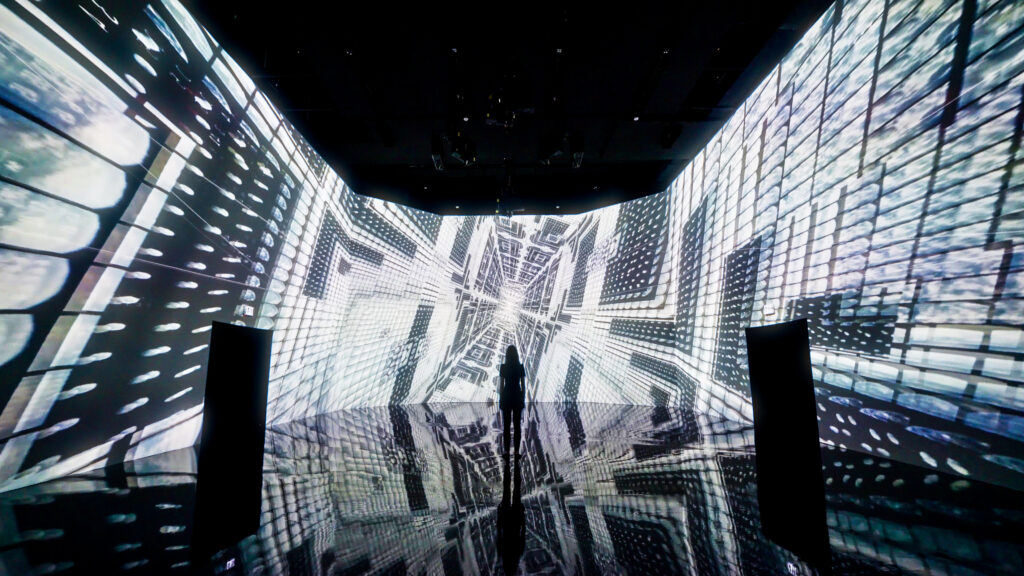
As we look at the intersection of AI in art in the modern day, there is arguably no figure who has garnered more attention as Turkish new media artist Refik Anadol. Born in Istanbul in 1985, Anadol watched Blade Runner when he was eight and recalls the “profound” effect it had on his imagination. In that same year, his family bought a home computer. This early fascination with film and technology would come to anticipate the immersive data sculptures he is globally known for today. Much like Do Androids Dream of Electric Sheep?, the dystopian novel that inspired Blade Runner, Anadol has built his career pondering on the question: If machines can learn, can they dream?
Instead of pigment, Anadol uses data sets and machine learning as his material of choice to paint breathtaking installations that challenge our perception of space, time and narrative. Surely by now, you’ve seen his work. Whether across historical architecture, such as Barcelona’s Casa Battló, Florence’s Palazzo Strozzie and Los Angeles’ Walt Disney Concert Hall, to his latest solo exhibition at Jeffrey Deitch and the monumental installation at the Museum of Modern Art in New York City, ‘Unsupervised”.
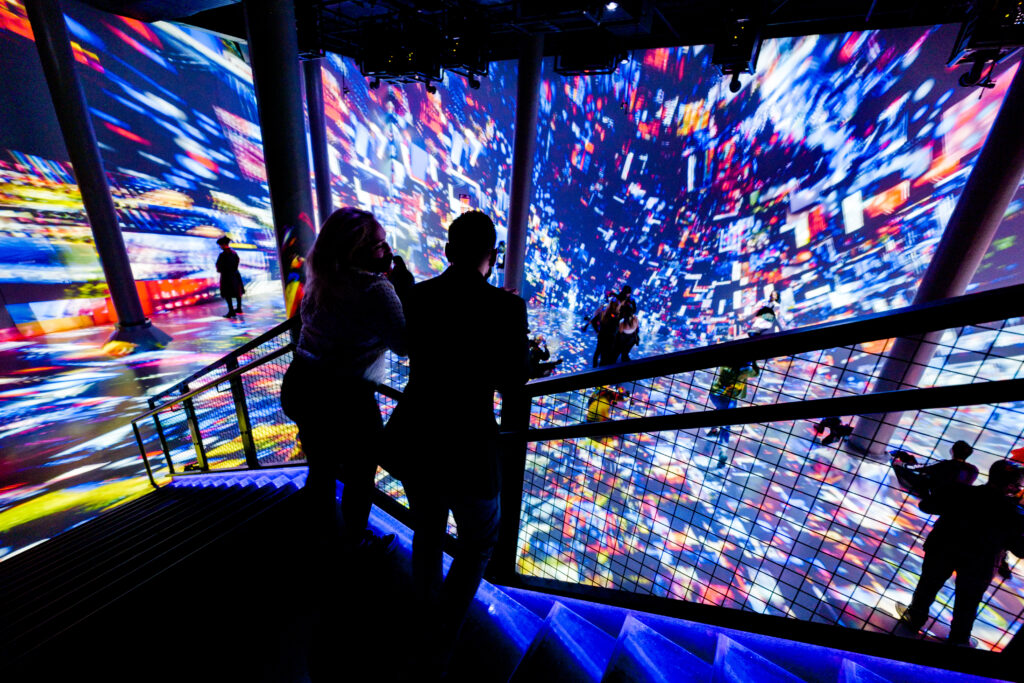
But looking back to 2019, we had the opportunity to introduce Anadol to the states — utilizing ARTECHOUSE’s technological infrastructure to collaborate on his first solo exhibition in the US. We have worked side-by-side with the artist on four collaborations, including Infinite Space in DC and Miami, and Machine Hallucination, which launched ARTECHOUSE NYC in 2019, and then was reprised in 2021 due to popular demand along with a monumental NFT release.
“If the doors of perception were cleansed,” wrote the acclaimed English artist William Blake, “everything would appear to man as it is — infinite.” Anadol approached Infinite Spaces with this conceptual framework in mind. Housed at both our DC and Miami locations, the exhibition was defined by a rhythmic and pulsating energy that aimed to explore memories and dreams through the mind of a machine using data sets from human ephemera, intergalactic photographs, along with historical archives and geological activity. These were then translated into hypnotizing sculptures and living paintings in a context that astounded audiences..
Boxes were fabricated that allowed visitors to step inside the idea of infinity, as opposed to observing a concept simply on a flatscreen. “What was really unique about the ARTECHOUSE project, I was able to finally find a place where I can compile all the ideas in one location, one point of view where people can immerse themselves with similarities on the surface, but depth is still available.”
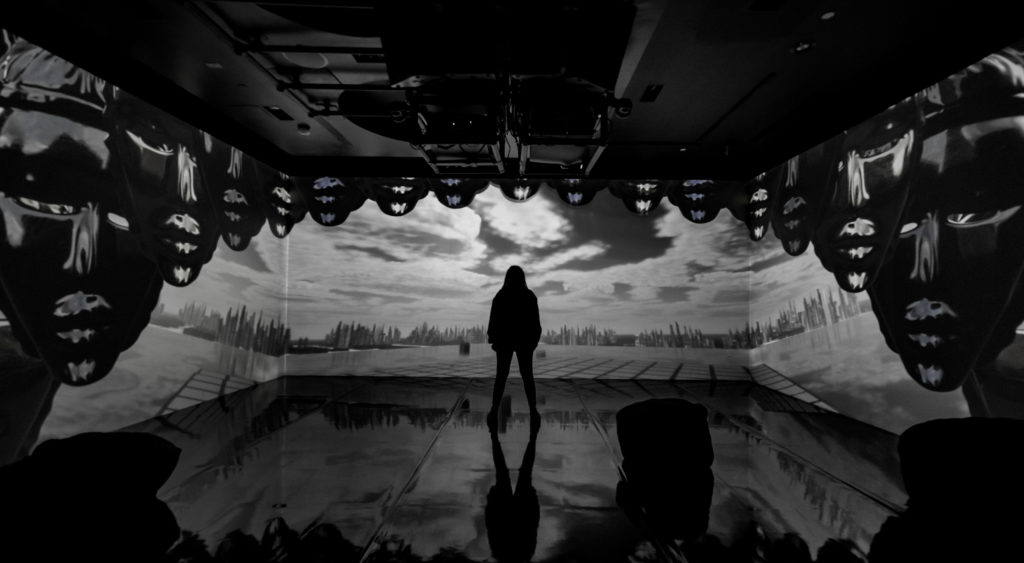
Within each collaboration, Anadol has looked to shape and reshape the way in which we understand the natural and built environment. Machine Hallucination was created by using 100 million architectural images of New York, which were then reimagined across an immersive environment that emitted the city’s collective memories and its potential future. “When I saw the technological infrastructure in New York, that was it,” recalled Anadol, when reflecting on how he first worked with our studio. “It’s the future of cinema. And I think we’ve made it.”
While some fear the capabilities of AI, Anadol reasserts that science, art and technology have always been interlinked throughout the centuries. One only needs to think of the great Leonardo Da Vinci to be reminded of this fact. Like an invisible ray of light, Anadol is “trying to find the poetry inside those datasets to create a new meaning beyond what data means.”
Despite his unflinching optimism, Anadol isn’t naive to the dangers that can be brought on by AI if used in the wrong hands. “Purposeful questions and purposeful reason” will be needed in bringing stability and progress for all sectors of society and not just a select few, he asserts. “Can we use AI to enhance our cognitive capacity? Can we learn better? Can we remember better? What would happen if we had the chance to create a machine that enhanced our capacity of imagination?”
]]>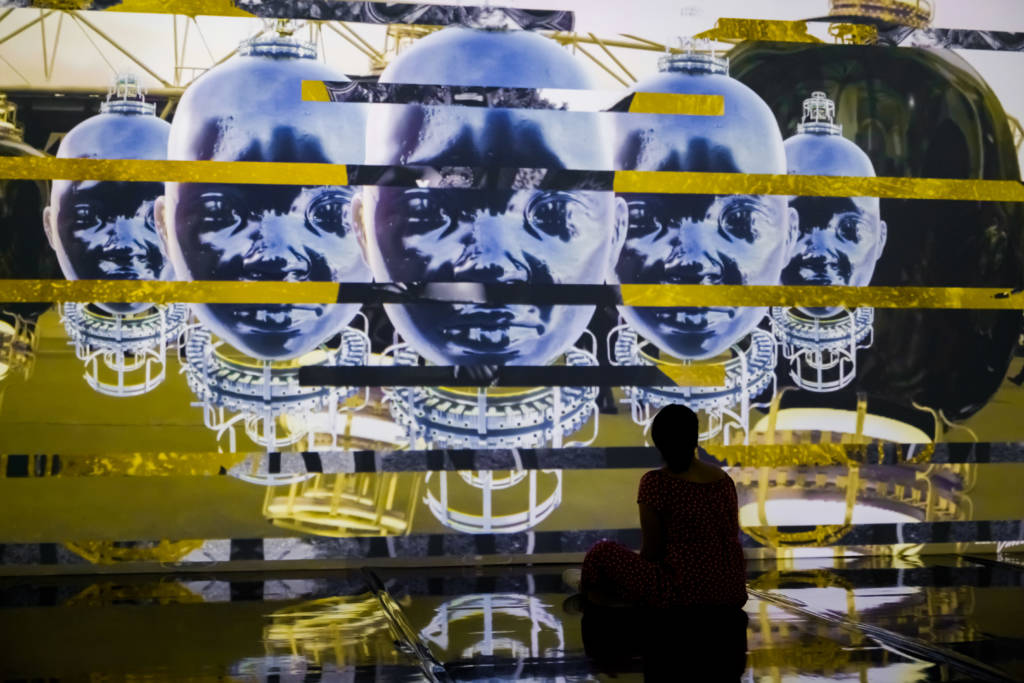
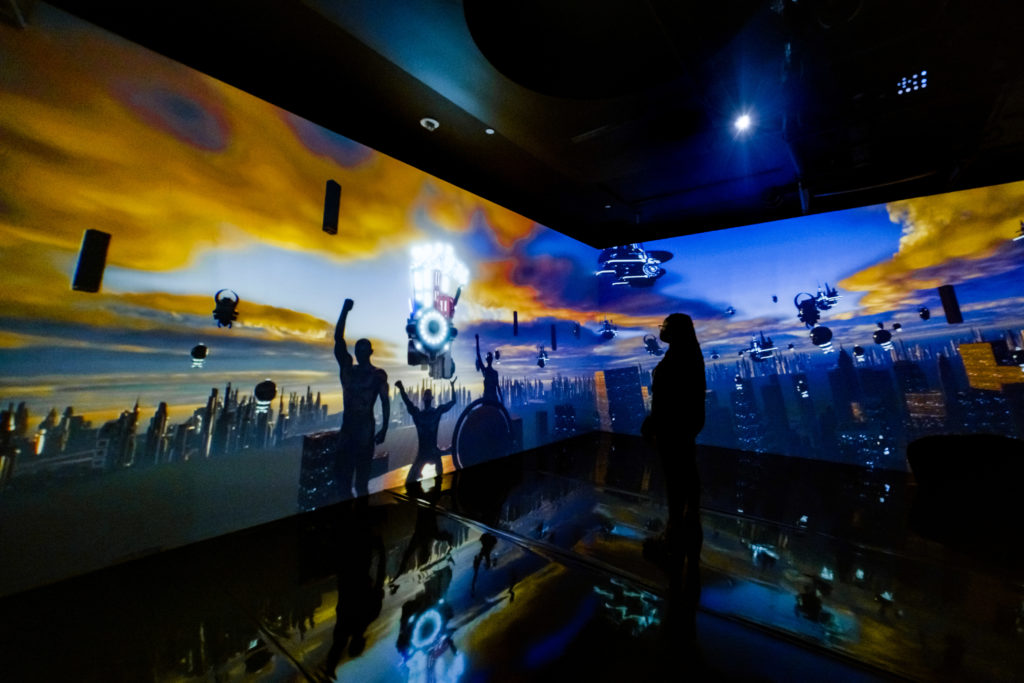
In the making for several years, the exhibition juxtaposed existing works from Fraser with direction, curation and cutting-edge technology from ARTECHOUSE for a collaboration that moved beyond visual storytelling. Coupled with Rucker’s important poetry, the presentation acted as an opportunity to connect to a larger audience on global issues surrounding African and African-American history. For Fraser, the idea of aṣẹ embodies his spiritual journey as an artist, with encouragement to stay hopeful regardless of circumstance. This is reflective in his work which presents a dialogue with important messages for the Black community about his lived experiences, and the experiences of others.
Inspired by the idea of “aṣẹ”—a West African concept addressing our power to produce change—the presentation features colors, motifs, silhouettes, and designs influenced by traditional and ceremonial elements from the dynamic continent. Fraser’s work features authentic reference points from the history, culture, art, and legends of various African tribes, including ceremonial masks and Nyabinghi drums, as well as social movements, music, and architecture. Rooted in education, Fraser’s work also incorporates current day scenes to highlight the ongoing fight for racial justice, such as the Black Lives Matter protests in the United States. Throughout the presentation, seen through a surrealistic lens, guests are encouraged to explore the immersive and interactive aspects for a profound connection, including Fraser’s favorite component—an XR experience entitled “Dawnation.”
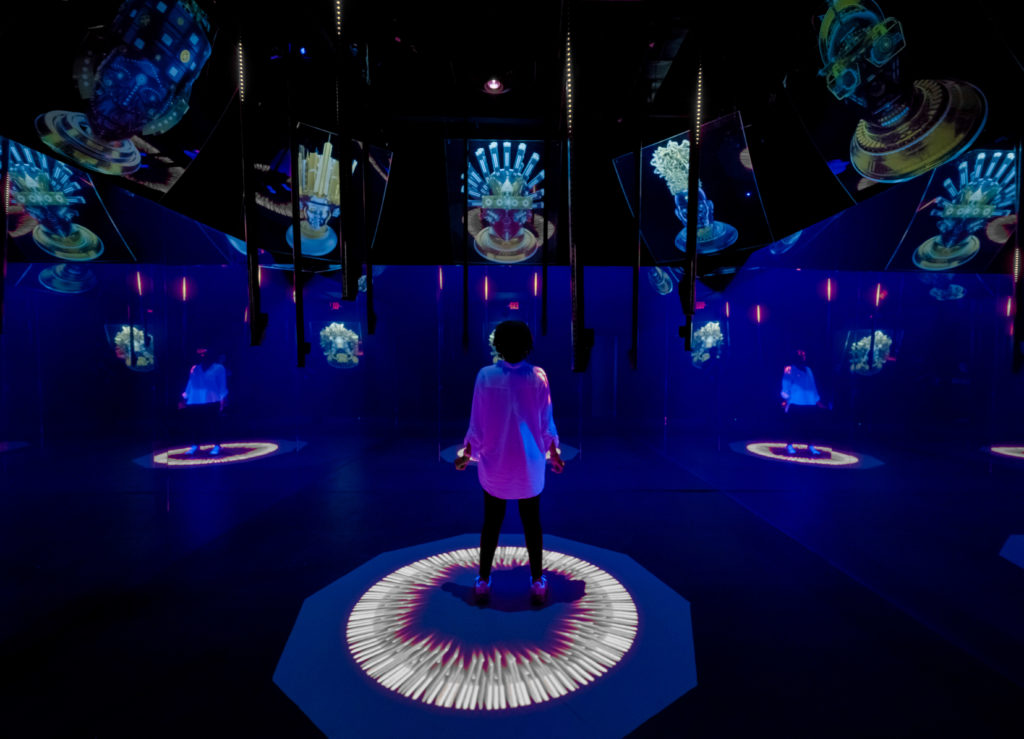
By commemorating the African diaspora’s rich history, as well as the contemporary Black experience of life around the world, the exhibition celebrates the significance of Black History Month today. “‘Aṣẹ: Afro Frequencies” is told from a Black perspective, which gives the viewer a more authentic and genuine experience,” said Fraser. “I feel it’s my duty to change the narrative and speak through my art, spreading awareness, amplifying, and empowering Black voices.”
“The Black experience is often examined through a non-Black lens,” Fraser continued. “I feel it’s important to tell the story from my perspective, as a Black creative producing doorways into concepts beyond the realm of the everyday. I hope my work will inspire and empower a whole generation of artists to express themselves through their own unique art form.
ARTECHOUSE spoke with both Fraser and Rucker to learn more about “Aṣẹ: Afro Frequencies” and how they’re reflecting on Black History Month, and what they hope for future generations of creators.
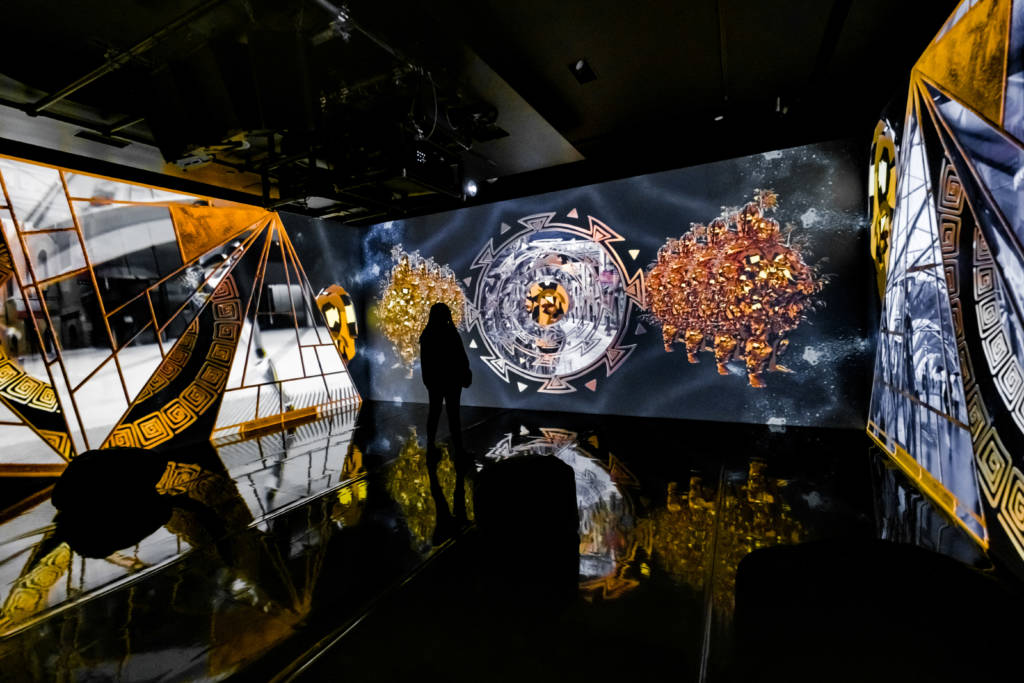
Which scenes are featured in the show that celebrate the Black experience were most important for you to include?
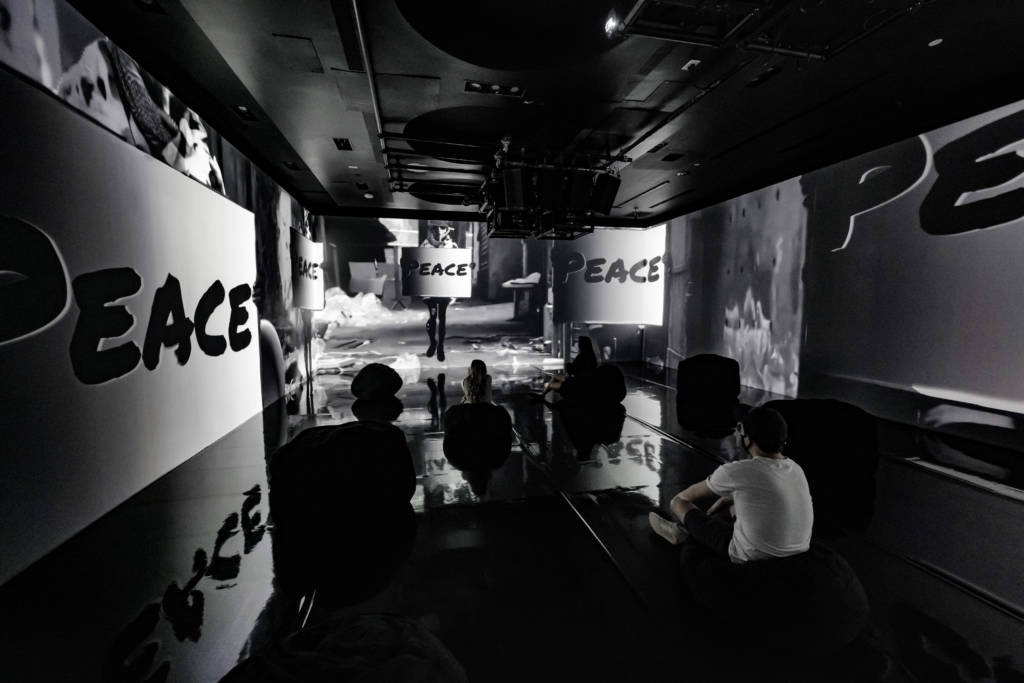
Too many to mention, but the one which springs to mind would of course be the Black Lives Matter events and the death of George Floyd, which happened in the U.S., highlighting years of racial injustices and reminding the Black community that the fight for basic human rights must be ongoing. The fist in the air represents strength, unity, and change, with a strong emphasis on the eradication of police brutality. For me, it’s very important to communicate a strong message or meaning in my work, as I feel a lot of these stories from the past are not told in Western society, so it’s about educating the audience.
The beauty of being an artist is you get to go to some really cool places, so I always have my iPhone or Sony A series camera on standby, ready to shoot footage of architectural buildings or monuments that I can use later in my work. I also use past historical elements from Africa, most noticeably face masks and sculptures, but try to reinvent them in a modern and contemporary, yet Afro-surreal, way. It invites the viewer to look at them in a whole new context never seen before, connecting the past with the present.
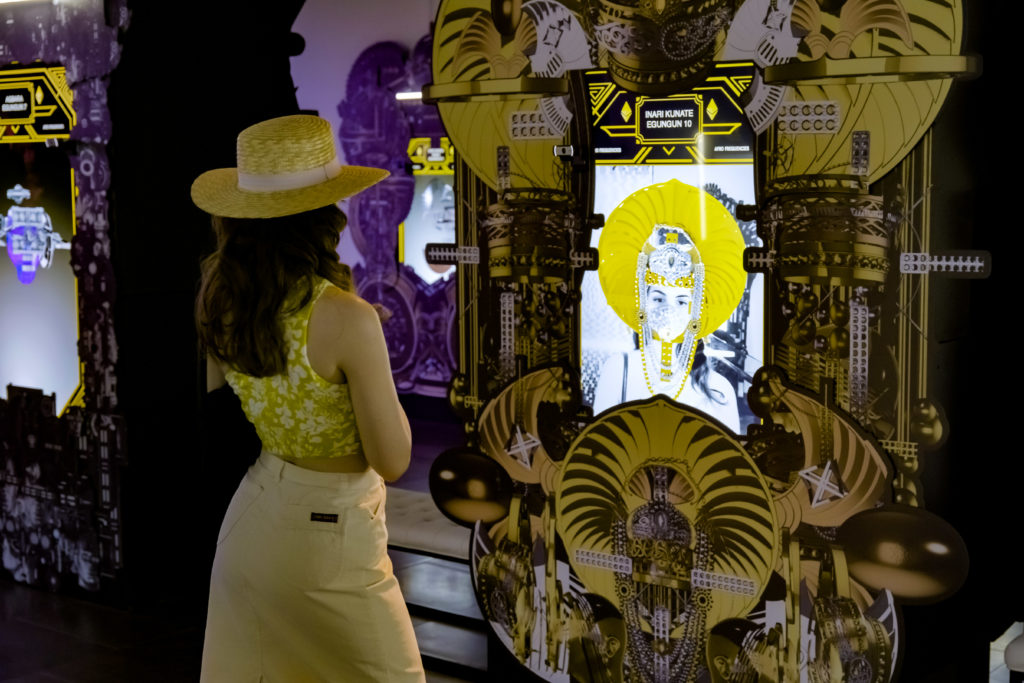
Beyond what the viewer may see on screen, can you share the cultural significance of masks and their visual signifiers?
I have a fascination with face masks from Africa because there’s so much history behind each one. What a lot of people don’t even realize is that Africa is a vast continent with many cultures. Each tribe has a different mask, which has different meanings, and some are primarily associated with ceremonies that have religious and social significance or are concerned with funerary customs, fertility rites, or the curing of sickness. Masks are also used for warfare and as protective devices in particular activities or during inclement weather. African masks often represent a spirit, and it is strongly believed that the spirit of the ancestors possesses the wearer. Ritual ceremonies generally depict deities, spirits of ancestors, mythological beings, good or evil, the dead, animal spirits, and other beings believed to have power over humanity.
What about the music in the presentation?
Music is something which is very dear to my heart, so it’s very evident in my work. It doesn’t relate to one specific genre, but more of a vibe felt spiritually in the soul. A lot of the music is heavily influenced by electronic music, though, with ancestral drums being the main component. Medical research studies indicate that drumming boosts the immune system and has many healing effects. Drumming and Chanting have been used for thousands of years to create and maintain physical, mental, and spiritual health. The Nyabinghi drums were the weapon of choice for this exhibit, which originates from my Jamaican ancestry. They’re used as a gathering by the Rastas to congregate and engage in praise and worship.
What is one not-miss detail you want first-time visitors to see?
ARTECHOUSE’s artistic decision to add an XR detail to “Dawnation” is a not-miss detail to see, as it takes the viewer into a portal where you actually become part of the exhibition interacting with it through XR.
But the message is the most important thing. I want everyone to come, experience it for themselves, and walk away feeling empowered and enlightened, knowing that they can achieve great things spiritually and mentally regardless of the obstacles put in front of them.
Last August, you released the “We Rise Above” XR project with ARTECHOUSE, featuring visuals that appear over Black Lives Matter plazas across the U.S. Can you tell us about this?
This was my first initial collaborative project with ARTECHOUSE, so it was very important for me to get it right from the get-go. The main focus was to get the message across a wider demographic through the power of art and technology, so the idea of having this interactive element on an app and visible across 34 Black Lives Matter Plaza locations was great! The beauty of XR and AR is we can now merge digital content with the physical world to create and deliver next-generation experiences.
Artists like myself can build deeper emotional connections and connect in a more meaningful way with the viewer, as was in this project. I hope the viewer will become more aware of what is happening in the world today—with regard to social justice issues like racial discrimination, inequality, under-representation and police brutality experienced by people of color—and contribute to helping build a more positive future where everyone is equal, regardless of race and color. We need to continue to spread the message for change to occur in society.
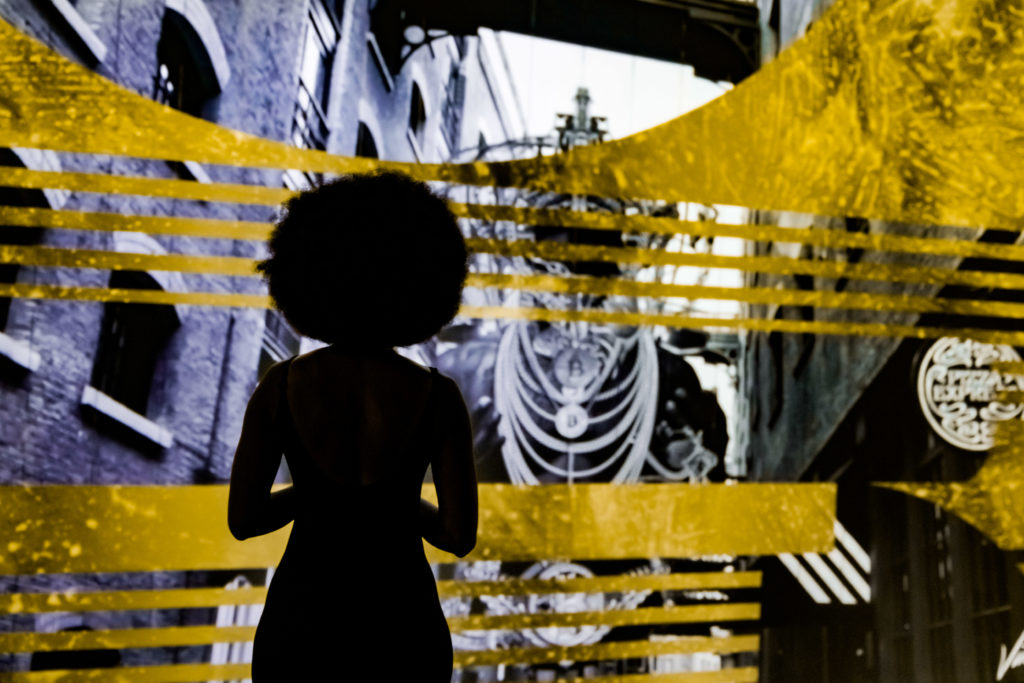
You’ve mentioned your mission is to “inspire, educate, and empower positive images of the African diaspora.” During Black History Month and beyond, how can others lead by your example?
There is a lack of diversity and representation in the creative industry with regard to senior influential black role models. I never had any role models growing up, so I hope I can inspire younger creatives of color. I feel the younger generation is much more informative than the previous generations, which brings hope. Just looking on social platforms recently, I now
see hundreds if not thousands of young black creatives worldwide organizing online events, projects, exhibitions, and building communities through the power of education. Unity is key, and through strong communities, change will eventually happen.
Ursula, your words accompanied Vince Fraser’s art in “Ase: Afro Frequencies.” Was this a new piece specifically created for the show?
Yes, everything was tailored and written specifically for the exhibit. It was the result of lots of research, as I wanted to do my best job poetically, historically, and in my voice. I wanted to make sure that I had everything correct. I’m well-studied—having a minor in African American studies and a degree in journalism from Temple University, and as a poet—but I wanted to really get it right. This was my first time doing anything like that. The content had to be right.
Primarily, it was a nice companion to Vince’s beautiful work. It was a co-soldier, a comrade. It was very important to me that it was commensurate to Vince’s pieces and the intention behind those. It was never racking in an exciting and fun way. It was a challenge to do this, but I live this. I am this. I’m super Black all day, every day. I talk about this all the time. I’m all for Black stories on this planet, Black experience. But it’s true that I did a lot of research. I took what I knew and tightened it up and made sure everything was copacetic.
This is ground-breaking, and we love that, but it needs to be the new normal. Moving forward, it can’t just be an exhibit, this is a movement.
How are you embracing your own Afro frequencies?
I write what I call haiku conjures, talking to my ancestors and getting their energies. That’s very important to me, and that includes all of my frequencies. But when talking about my “Afro frequencies,” my indigenous African or Afro ancestors, I do lots of work. Frequently, every day. Whether it’s from prayer, writing, or sage burning.
You recently hosted an intensive workshop named “Critical Renewing of Thee” for memoir, poetry, and performance work. What were some highlights we can share with our readers?They should watch the Youtube videos of the 25 poets that participated! This was the first time I’ve ever initiated it myself. I went to my sisters who have a self-identifying Black and Latinx women-run media group here in Philly called SIFTMedia, and asked how we could collaborate. And boom! We did it, we worked together. It was a true example of the success of mutually aided, collaborative creativity, just like “Aṣẹ: Afro Frequencies.” It showed what we can do when working together and when we respect each other. We all wrote haikus, dug in, told our stories, and held each other’s stories dear. We did the work and have been communicating ever since. It’s a continued relationship with all of us. And they made sure that I got paid, because wow, isn’t that a part of it? We forget as artists and activists that it’s so important that we are compensated for our work, which is always so hard to get. I’m honored.
Black History Month is a time to observe, honor, and celebrate. How are you reflecting or celebrating this month?
I’m taking care of my Black family and making sure my Black sons are taken care of all day every day, whatever month it is. I’m a Black person, and a woman, every single day. So every day is Black History Month for me. And next month, Women’s History Month, is my favorite. We need Black History year in America. Everyone here is late.
What do you hope for the future generation of creators—and communicators?
I hope everything is easier. We need easily accessible facilitation of what we’re creating, making, giving, and sharing with everyone else. Everyone benefits. And if we’re activist artists, or what I call “artivists,” then it’s bumped up. We need facilitation and compensation for what we all do. We need programs and projects in place that we don’t have to jump through hoops of fire to find.
]]>ARTECHOUSE is kicking off the week at its Miami Beach location with a special reception with artists Vince Fraser & Ursula Rucker on November 30th. Our exciting slate of panels on December 1st and 2nd will feature key leaders in the African art spaces for a discussion on Afro Frequencies and the Diasporic connection on African art in the modern era; while pioneers at the intersection of art and tech will discuss art innovation in the era of NFTs.
Tue, November 30 / 6-9pm / Invite Only
Private Reception + Meet & Greet with Vince Fraser & Ursula Rucker
ARTECHOUSE will host a private reception on November 30th with Vince Fraser and Ursula Rucker, the featured artists within Aṣẹ: Afro Frequencies, the current exhibition at our Miami location.
Inspired by the idea of aṣẹ, the West African concept relating to our power to produce change, Aṣẹ: Afro Frequencies – a multi-sensory immersive digital art exhibition, celebrates the historical, social, and cultural aspects of the Black experience through the perspective of these two celebrated artists. Employing unique applications of audio-visual, interactive technologies and boundary-pushing techniques to broadcast the frequencies of Fraser’s core concepts out into the world, Aṣẹ: Afro Frequencies considers historical frameworks reimagined, brought to life in a new digital performance context.
Wed, December 1 // 11am-1pm
Afro Frequencies: The Diasporic Connection on African Art in the Modern Era
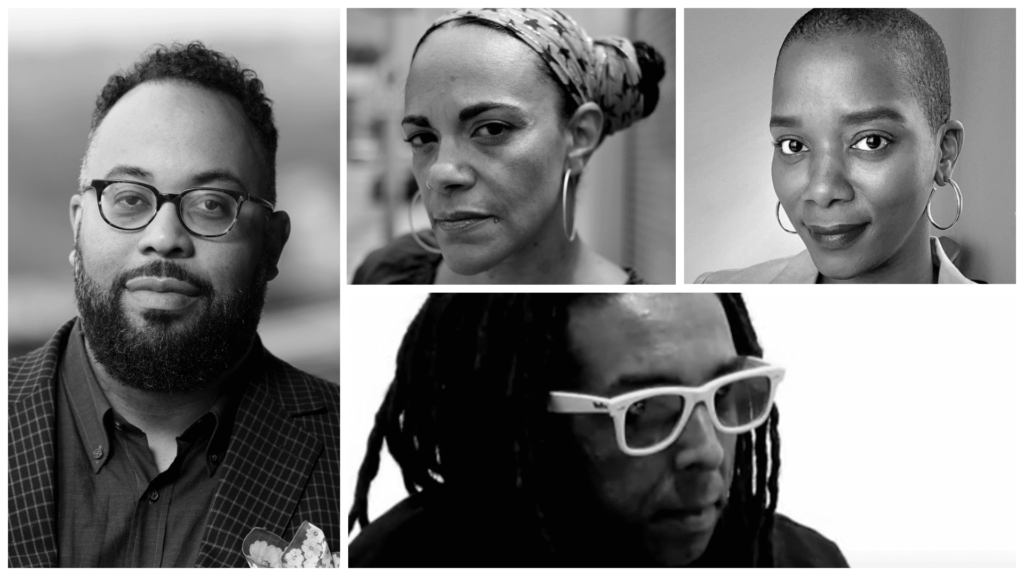
Our Afro Frequencies panel on December 1st will center on the conversation about aṣẹ, the power to make things happen and produce change, as well as celebrate the historical, social and cultural aspects of identity through art.
This panel will be moderated by Kevin Young, Andrew W. Mellon Director of National Museum of African American History and Culture, with panelists Vince Fraser, ARTECHOUSE exhibition collaborator and London-based Afro-surrealist visual artist and illustrator; spoken word artist and activist Ursula Rucker; and Folasade Ologundudu, writer and multidisciplinary artist.
Thu, December 2 // 11am-1pm
Art + Tech Innovation in the Era of NFTs
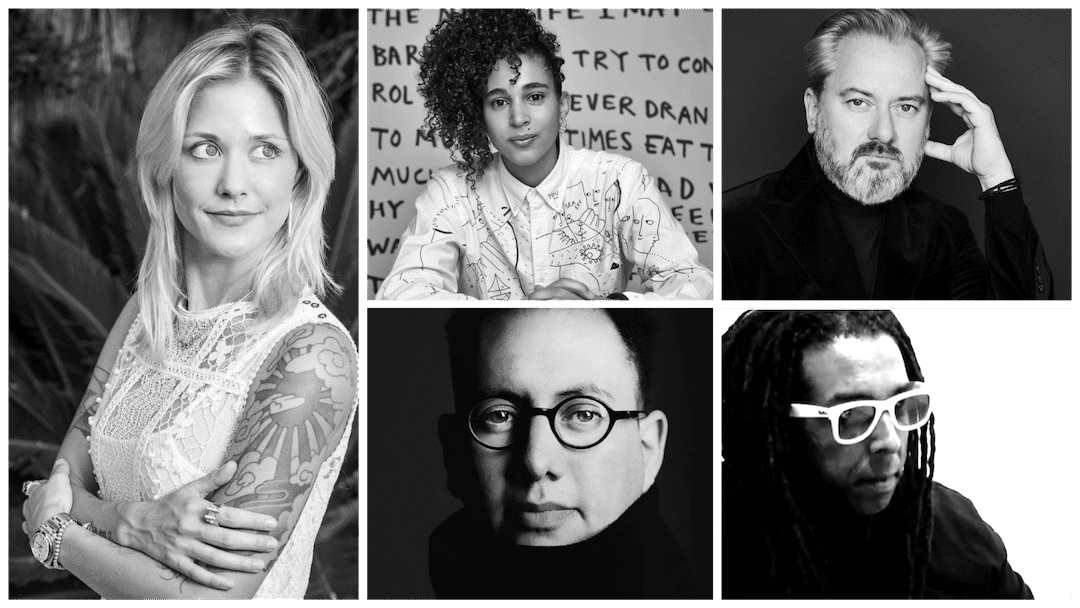
On December 2nd, panelists Sandro Kereselidze, Refik Anadol, Shantell Martin and Vince Fraser will delve into innovation in technology-driven art with moderator and Freedom with NFTs Podcast host, Lauren Turton. ARTECHOUSE is thrilled to lead this discussion as an innovator in the intersection of art and technology.
Daily VIP Private Viewing Hours
Tue, November 30 – Thu, December 2 // 2-5pm
Open for VIP passholders of Art Basel VIP, Design Miami VIP, SCOPE VIP, Untitled VIP, Nada VIP and invited guests. VIP or membership card must be presented at the door for admission.
]]>Saturday March 27, 8am – 11am
Meet at the 5th Street Beach Entrance
Miami Beach, FL 33139
After the cleanup, all volunteers are invited to experience Aqueous.
The Inspiration
Our oceans play a critical role in our daily lives. They have the power to heal and connect us––and are a constant reminder that we are all part of and, as a result, responsible for this one beautiful, blue planet.
This sentiment is the inspiration behind ARTECHOUSE Miami’s Aqueous installation, selected specifically for our South Beach location in highlighting its place as a coastal city poised to be disproportionately affected by climate change in the coming years.
In Aqueous, the topic of climate change is approached in an abstract and artistic way.
With an emphasis on the fine details of nature, the ARTECHOUSE creative team draws attention to environmental changes in relation to our oceans.
The technology-driven installation highlights the beauty of water in nature: the movement of cascading rapids, the texture of waves, and more. An LED light installation on view on the first level of our art space draws inspiration from bioluminescence, a phenomenon that while aesthetically pleasing, is nature’s defensive reaction to disrupt in the ecosystem. This warning signal can be due to rising temperatures, pollution, and human activity.
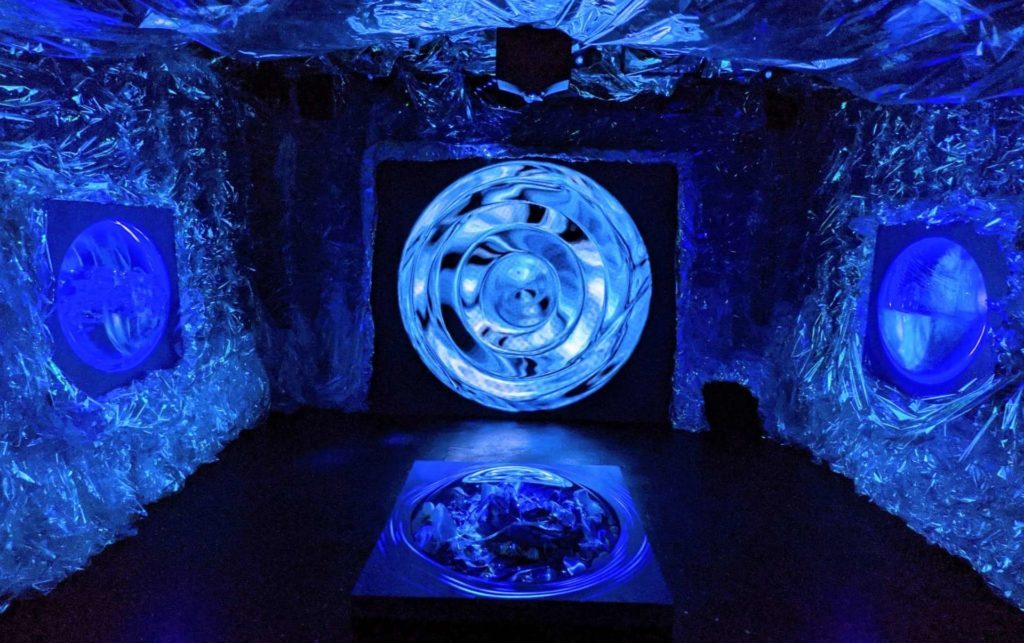
Upstairs, artist Haiiileen’s piece “Agua Haiii” is on display. In this experience, the pulsed call of the whale can be heard: despite its soothing qualities, the sound is a reminder that the species is disappearing from our oceans.
Garbage collected from Miami’s beaches and Biscayne Bay, such as masks and various PPE, span the walls and are transformed as a defining textural medium. What results is more than just a captivating art piece––it is a call to action.
Haiiileen’s personal beach cleanup for this piece is what inspired us to do more, starting with our own community-driven cleanup. It is Haiiileen and ARTECHOUSE’s hope that visitors will feel an artistic connection to water and its beauty when they visit Aqueous, and take with them the awareness and care that this issue deserves.
The Impact
In partnership with Surfrider, this community cleanup is just one way we hope to empower action around ocean conservation.
10% of proceeds from ticket sales April 1 – 14 will be donated to Surfrider Miami to help in their mission to protect our oceans, waves and beaches.
Founded in 1984 by a handful of visionary surfers in Malibu, California, the Surfrider Foundation is a non-profit grassroots organization that now maintains over 500,000 supporters, activists and members, with more than 80 volunteer-led chapters and 70 clubs in the U.S.
The Miami Chapter was chartered in 1997, by a group of local water and wave enthusiasts to ensure our beaches and waterways, as well as our beloved ocean, would remain clean for the Miami community to enjoy.
Their volunteer-run Blue Water Task Force (BWTF) tests the waters of 19 locations in Miami-Dade on a weekly basis for bacteria, raising public awareness and finding real solutions to ocean pollution; solutions that restore healthy watersheds, protect local water supplies and keep pollution from reaching the ocean.
]]>
We began on a high note, with plans to expand to more cities and to continue presenting new, exciting programming at our current locations in Washington, DC, Miami and NYC.
As circumstances changed, we had to shift focus and postpone our 2020 artist exhibition plans. We never thought that we would be faced with temporarily closing our spaces instead of opening new doors.
Furloughing 95% of our dedicated team—our family—was the most devastating and challenging moment we’ve faced as a small, independently-owned business.
But while our lights were off at our art spaces, we never stopped striving to inspire, educate and empower.
As our communities began to reopen, moving quickly and decisively, we then pushed all of our previous limits —reopening all three locations in a matter of months, bringing back most of our original staff and creating three brand new, in-house installations in the record time of just seven weeks.
Through it all, we reaffirmed our belief that art is essential.
As one of the few art institutions operating in this environment, we were motivated by our desire to share meaningful art experiences with our communities once again.
We’re grateful to have received overwhelming support and appreciation from audiences for providing a sanctuary in these chaotic times.
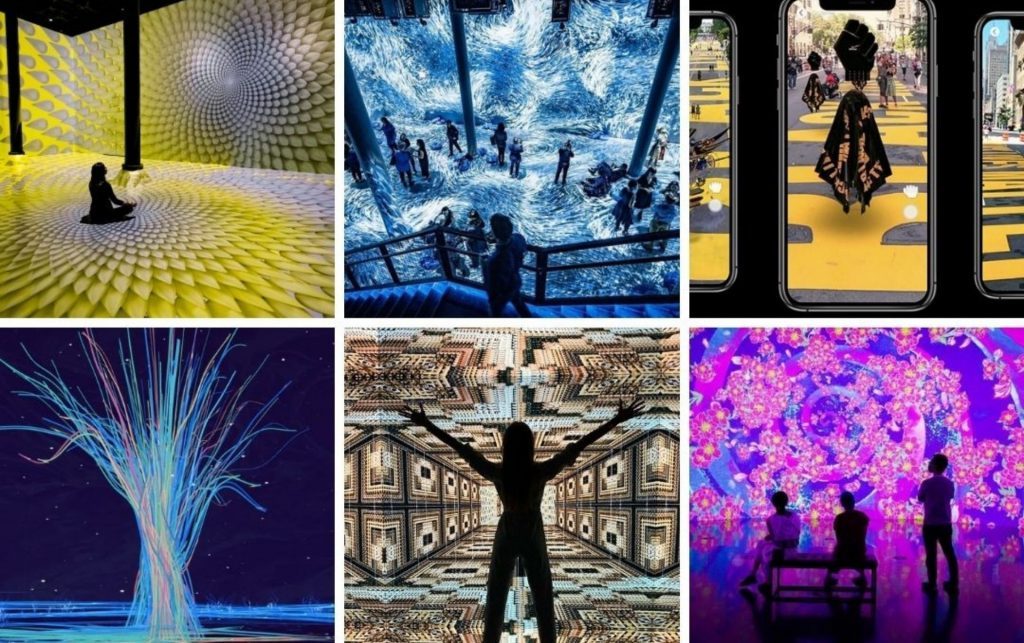
None of this would have been possible without our passionate team. Our Visitor Experience Representatives are hard at work every day, welcoming everyone back while successfully integrating health and safety measures to meet the new normal head-on.
Our Production team, always at the forefront of innovation, went even further to create the experiences our audiences are enjoying today. Behind the scenes, the rest of our incredible staff works tirelessly to bring this all to life.
We would like to thank our community of artists, neighborhood businesses, industry allies, visitors and fans for always supporting us. We cannot wait for what is to come, and are so excited to move forward into 2021 with even more energy, passion and innovation!
Art has no limits and neither do we at ARTECHOUSE!
With love from: Sandro, Tati & the ARTECHOUSE team!
]]>